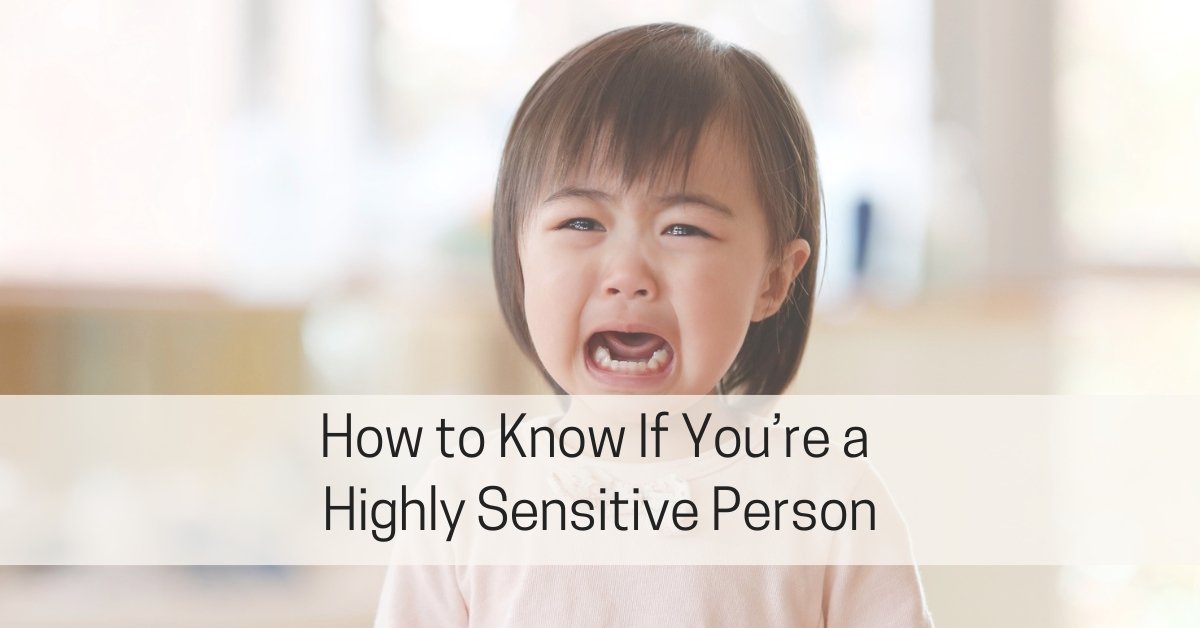
I’ve known from a very young age that I experience the world differently. A touching scene in a movie or a quiet moment in church can bring me to tears. A seemingly casual remark, if it carries the slightest criticism, can linger with me for hours—or even days. Growing up, I was told I was “too sensitive” and took things too personally. If you’ve felt similarly, these are signs you’re a highly sensitive person.
It turns out that some of us are wired this way. Our nervous systems are highly attuned to emotions, energy, sound, light, and physical sensations. We’re often called Highly Sensitive People (HSPs), a term coined by psychology Elaine Aron. This heightened awareness means we notice details others might miss, from subtle shifts in mood to small changes in our environment. It also makes us more introspective, reflective, and deeply affected by both the beauty and the challenges of life. Read on to learn more about signs you’re a Highly Sensitive Person.
Signs You’re a Highly Sensitive Person
Here are some common signs you’re a highly sensitive person:
You feel emotions intensely.
Whether it’s joy, sadness, or anger, your emotional responses are vivid and powerful. You might cry easily or feel your heart swell at someone else’s pain. In cultures like the U.S., especially for boys and men, this kind of emotional openness is often dismissed or ridiculed. Many HSPs have been teased, shamed, or taught to suppress their feelings. But emotional depth is a gift, not a liability—it allows you to connect with life and people in ways that others simply cannot.
You have an extraordinary capacity for empathy and compassion.
You notice when someone is hurting, often before they even speak. You instinctively reach out to help, comfort, or listen. Your natural empathy can be a beautiful gift, though it sometimes leaves you feeling drained or taken for granted. Learning to care for yourself with the same attention you give others is key to maintaining balance.
Criticism hits hard.
When someone criticizes or judges you, it often feels intensely personal. Unlike others who can shrug off feedback, HSPs replay it, dissect it, and sometimes let it shape their self-worth. This sensitivity can make you cautious, keeping you in your comfort zone to avoid potential pain or embarrassment.
You may have felt “different” or alone.
Many HSPs grow up believing that something is wrong with them. Being told to “toughen up” or “stop crying” can instill shame. Over time, you may develop emotional armor—burying feelings, distracting yourself, or numbing your senses just to get through daily life. Recognizing that your sensitivity is normal and valid is a profound step toward self-acceptance.
Your senses are heightened.
Sounds, lights, textures, and even smells register more strongly with you. A noisy restaurant, a bright fluorescent light, or a tag on your shirt can trigger discomfort or irritation. Your body constantly processes more information than many people realize, which is both a blessing and a challenge.
You think deeply and notice details.
Decisions—even small ones—can feel weighty. You notice subtleties others miss, consider countless possibilities, and replay situations in your mind long after they’ve passed. This awareness can make you insightful and conscientious, though it may also fuel anxiety or self-doubt.
You sense energy and emotions in others.
Being intuitive means you pick up on moods and atmospheres quickly. Positive energy can lift you, but negativity can weigh heavily, leaving you drained or unsettled. Learning to protect your energy while remaining open is essential.
Perfectionism is common.
Your careful attention to detail and sensitivity to critique can manifest as perfectionism. You hold yourself to high, sometimes unrealistic standards, striving to mask your vulnerability. While this drive can yield accomplishments, it can also add stress and self-criticism.
Overstimulation is real.
Busy, crowded, or chaotic environments can overwhelm your nervous system. It’s natural for HSPs to need quiet time to recharge, and ignoring this need can lead to fatigue, irritability, or burnout.
Introversion is often part of the picture.
Most HSPs—though not all—lean toward introversion. Time alone isn’t a luxury; it’s a necessity to process experiences, emotions, and sensory input.
What Helps Highly Sensitive People Thrive
Being highly sensitive is a strength, but it requires mindful care. Some strategies that help HSPs thrive include:
- Embrace the strengths of being highly sensitive: empathy, intuition, creativity, and emotional depth.
- Surround yourself with supportive, positive people and avoid chronic negativity.
- Set boundaries and protect your energy from people who take advantage of your compassion.
- Limit overstimulating environments and schedule downtime to recharge.
- Journal, meditate, or engage in creative expression to process thoughts and feelings.
- Be gentle with yourself. Give yourself the same love and kindness you naturally extend to others.
Feeling things deeply isn’t a weakness. It’s a way of experiencing life fully, noticing what others might miss, and connecting with people and the world in meaningful ways. If you’ve ever asked yourself, “Am I a highly sensitive person?”, chances are, you are—and that’s something to embrace.
©2026 Dr. Sharon Martin, LCSW. All rights reserved. Photos courtesy of Canva.com.
Learn More About High Sensitivity
Publisher: Source link