
Digital toxicity impacts all generations, and the key to overcoming it is having compassionate conversations. While children, teens, adults, and seniors all confront unique digital challenges—from unmanageable screen time and cyberbullying to misinformation and social withdrawal—the main message is clear: connecting with care, naming what hurts, and listening with love is the best path ahead.
SOMETHING MUST CHANGE
Maya checks her iPhone regularly for orders while sitting at her desk in a lush, mountain community. She works on a large, high‑resolution monitor—the screen shows color wheels, exposure sliders, and tiny thumbnails of the footage running along the edge. A water bottle sits on the desk, and Jacob, her husband, slouches on the couch, handling the accounting.
The buzzing of her phone startles her.
“How about Saturday at 2 PM?”
“Fine, I’ll meet you there.”
Someone else wants to “hop on a quick call.” Another wants a quote. She types, switches tabs, answers messages, uploads a file, and tries to remember where she put the photos yesterday. Her hand rests lightly on the mouse, making small, precise movements. Every adjustment shifts the image’s mood.
Suddenly, it feels like five pounds of pressure pressing down on her eyelids. Her cat, Miss Fitz, jumps onto the desk, licks her lips, and reaches out with its paw, tapping her shoulder. She jumps down and begins drinking from her water bowl. Maya instantly realizes she hasn’t had a drink in four hours.
“Well, maybe just a few more edits,” she says aloud. Her toes feel numb, buzzing as if they’ve been dipped in warm sand.
I need to stop. This is crazy.
Maya turns toward Jacob. His chin is resting on his chest—asleep mid‑deadline, mid‑sentence, mid‑everything.
“Honey,” she whispers, walking to the couch, nudging him gently. “Hey, did you finish that invoice for Mrs. Gooding and send the file to the printer?”
He’s awake, startled, and blinking hard. “Huh? What time is it?” They haven’t slept. Today’s deadline pushed them to work all night.
“It’s almost two,” she says.
“In the afternoon?” Jacob asks, rubbing his eyes.
“Yes. And we haven’t even eaten lunch.”
Miss Fitz jumps to the floor, meowing and rubbing against Maya’s legs, reminding her that the real world is still out there somewhere.
“We can’t keep doing this.”
Maya nods. “You’re right.” She knows they must stop, but there’s an urgency to continue.
Something must change.
CONNECTING WITH CARING CONVERSATIONS
Digital toxicity is a widespread, generational, and global issue.
Throughout generations, compassionate communication pulls us back from digital overwhelm and toward digital triumph. Adults spend an average of six to eleven hours per day on screens. One in three adults reports digital burnout. Misinformation stress affects more than 70% of U.S. adults. Sleep disruption, isolation, emotional withdrawal, and self‑care erosion are rising. When digital life disrupts human connection, communication falters, and well-being suffers. Connecting through compassionate conversations is essential to maintaining a healthy balance.
BREAKING THE SILENCE
Miles away, in a small, fishing harbor, Olivia, a troubled teenager, sits curled up against the wall behind her bed, her phone in her hands. The room is dim except for the thin line of hallway light slipping through her door. She hovers in the corner, shoulders stooped, scrolling through the newest wave of cruel messages, arriving faster than she can delete them.
“You’re worthless.”
“Nobody wants you here.”
“Just disappear.”
Each notification lands with a blow. Olivia wipes her cheeks with the sleeve of her sweatshirt, but the tears keep coming. Her breath is shallow, and she feels small, cornered, and unbearably alone.
A soft knock breaks the silence.
“Olivia?” Her mother, Julia, calls gently, “Sweetheart, are you okay?”
“I’m fine,” Olivia whispers.
But she’s not fine. She’s a victim of cyberbullying—overwhelmed, depressed, and fighting frightening thoughts she doesn’t dare talk about. The digital cruelty doesn’t stay on the screen. It seeps into her mind, tightening her world until she can barely breathe.
Her mother hesitates, then tries again. This time, her voice softens. She speaks with loving concern.
“Let’s talk. I care about you.” Her words are an invitation, a comfort, a loving signal that connection is possible.
Inside the room, Olivia curls more tightly, wishing the messages would stop, wishing the pain would ease.
For a moment, she closes her eyes. Somewhere inside, a small spark flickers—she hopes someone will notice, help, reach in, and pull her back toward safety.
Those who are bullied are four times more likely to report suicidal thoughts or attempts, and 95% of teens use social media. Recent studies show that 20% of teens use it almost constantly, with more than 50% reporting experiencing cyberbullying. Behind every statistic is a young person like Olivia—hoping for connection, understanding, and honest conversations that stop the mental health downward spiral and save lives.
Please join me. When we offer our loved ones caring conversations, we can transform digital toxicity into digital triumph. Each step toward compassionate dialogue increases the likelihood of creating a healthier, happier world.
THE GAME THAT WON’T LET GO
Henry, a crotchety grandfather, sits in the living room filled with family photos, gripping his tablet tightly. He purses his lips and wrinkles his brow. The noise of the city rattles his windowpane. His deep brown eyes stare at the spinning lights of an online game. His finger taps the screen with precision—spin, wait, spin again. A stack of unopened mail sits nearby, and his cup of coffee has gone cold.
A small boy, Noah, steps into the room, carrying a toy truck.
“Grandpa, can you play with me?” he asks.
Henry doesn’t look up. “Not now.”
The boy hesitates. “Why don’t you ever play with me anymore?” Tears slip down Noah’s cheek, and his chin wiggles in despair.
Henry lifts his eyes. The game flashes again, bright, loud, and insistent, but he doesn’t tap. He sees the look on his grandson’s face, feeling the pain he never meant to create.
“Come here, Noah,” he says softly, setting the tablet down. “I’m sorry. Let’s play.”
Across the world, nearly 70% of seniors engage in online gaming—often seeking validation, distraction, or connection. Yet many find themselves repeating unhealthy patterns that undermine quality of life, disrupt sleep, and damage relationships. Caring communication becomes the turning point—a child’s question, a moment of truth, and a subtle shift in reconnection that moves us from loss to love.
HOLISTIC TOOLS FOR SELF-CARE
Digital toxicity bombards the brain, breaks down the body, and destroys relationships. Holistic practices work. They calm the nervous system, restore balance, and gently interrupt the cycle of digital overwhelm. Studies show that these fourteen holistic self-care methods can help lower stress, improve mood, and increase clarity.
- Breathing Techniques—Slow, intentional breathing calms the nervous system and interrupts digital overstimulation. Even one minute of steady inhales and long exhales can shift the body from tension to ease.
- Creative Expression—Drawing, writing, dramatic acting, singing, or moving your body opens emotional pathways closed by digital toxicity. Creativity reconnects you with your inner voice.
- Environment Reset—Changing your physical surroundings breaks the cycle of digital tension and refreshes the mind. Keep it simple: open a window, step into another room, adjust the lighting, or use essential oils.
- Eye and Vision Care—Looking away from screens, blinking intentionally, or resting your eyes in darkness helps reduce strain, headaches, and fatigue.
- Healthy Whole Foods—Nourishing meals stabilize mood, support brain health, and strengthen the body’s resilience against stress and digital overload.
- Hydration—Drinking water supports cognitive clarity, reduces fatigue, and helps counter the dehydrating effects of long hours on screens.
- Listening to Music—Soft, grounding music soothes the emotional system, slows the heart rate, and creates a peaceful buffer between you and digital noise.
- Micro‑Breaks—Short pauses throughout the day prevent burnout. Standing, stretching, or taking a few deep breaths helps the body reset before stress accumulates.
- Nature Walks—Stepping outside interrupts digital trance states. Fresh air, natural light, and gentle movement help regulate the nervous system and restore presence.
- Physical Exercise—Movement clears stress hormones and resets the body. A short walk, light stretching, or dancing in the kitchen can restore energy and mental clarity.
- Caring Connection—Laughter, affection, and meaningful moments restore emotional warmth and belonging. Contact others, play games, talk, touch, or hug. Connection is key, whether it’s with a treasured pet, friend, or family member.
- Prayer or Meditation—Stillness practices help us reconnect with our inner life. Prayer, mindfulness, or calm introspection provide space for grounding and emotional steadiness.
- Reading a Book—Reading aloud or silently gives the mind a break and restores focus, imagination, and inner quiet.
- Relaxation Practices—Gentle stretching, progressive muscle relaxation, or simply unclenching the jaw helps release the physical tightness that builds during long periods of screen use.
STEPPING BACK INTO LIFE
Miss Fitz shifts once more, placing her right paw on Maya’s left arm, as if to say, It’s time to stop now.
“Just one more email,” she tells her furry friend. “Vicky is waiting for my response.”
She finishes the message and hits send.
Immediately, a text from Gary pops up: “Can we meet tomorrow instead? Let’s Zoom at 7 AM. I can’t make it on Thursday.”
Miss Fitz’s furry paw repeatedly taps Maya’s shoulder, staring directly into Maya’s eyes—steady, insistent, and wise.
What am I doing? I made a promise to God, to myself, and to my family.
Maya is ready to do three important things:
- Stop digital distraction.
- Start self‑care.
- Step forward into a joyful, healthy life.
She turns off the phone, closes the laptop, and strokes Miss Fitz’s head.
“I’m sorry. “You’re right. It’s time for self-care.”
She gently shakes Jacob’s shoulder. “Hey, come up for air.”
Jacob blinks awake. “You’re right. Let’s shut it all down.”
They power off the devices—the soft clicks and fading screens feel like exhaling after holding their breaths too long. The room grows quieter, warmer, and more real.
They stand together, stretching stiff limbs, rolling their shoulders, letting their bodies remember who they are, and feeling the blood pumping through their veins again.
A wonderful world greets them—trees swaying, birds singing, and sunlight warming their faces. They walk slowly, savoring the simplicity, drinking in the cool air, invigorated by a newfound energy.
For the first time all day, Maya and Jacob are reconnected to life.
Digital toxicity doesn’t get the final word. Honest, compassionate connection and communication bring them back to balance, presence, and joy.
SUMMARY AND CALL TO SELF-CARE
Research shows that digital toxicity is a serious worldwide concern across all generations. It contributes to digital dependence, social isolation, sleep disruption, self‑care erosion, emotional withdrawal, misinformation stress, burnout, compulsive behaviors, and rising mental‑health challenges, including suicidal ideation.
However, there is hope for a brighter future.
Change begins with hope, and awareness begins with conversation. Miss Fitz, Julia, and Noah each reached out that day to say, “I love you. Stop hurting yourself. You matter.”
Digital toxicity is destroying our world, but caring communication is saving it. Start now. Begin with honest conversations. We each will make a difference when we remember to honestly call out ourselves and our loved ones when we desperately need to: 1. stop digital distraction, 2. start self-care, and 3. step forward into a joyful, healthy life. You can do it. I believe in you. Your words and actions will save lives.
If you are suffering and experiencing grief, stress, trauma, or pain, please practice good self-care, seek help as needed, and check out our emergency and crisis information below.
Always remember: You are not alone, and your wellness matters.
ABOUT JEAN VOICE DART
Jean Voice Dart, MS, RMT, CATP, is an expressive arts therapist, teacher, coach, and multiple #1 best‑selling author. Having experienced chronic pain and trauma as both a child and an adult, she transformed her life from stressed to blessed through the expressive arts. Jean hosts The Wellness Universe’s “Take My Hand Support Series” and has spent more than fifty years witnessing people feel, reveal, and heal by uncovering buried emotions and rediscovering neglected pathways to joy. She lives near the ocean with her husband, Matt, and their dog Pumpkin.
Connect with Jean on The Wellness Universe and follow her on Instagram and Facebook.
REFERENCES
- American Psychological Association. Digital Stress and Burnout in Adults: A Review of Psychological Impacts. APA Press, 2023.
- Centers for Disease Control and Prevention. Youth Risk Behavior Survey Data Summary & Trends Report: 2011–2021. U.S. Department of Health and Human Services, 2023.
- Common Sense Media. The Common Sense Census: Media Use by Kids Age Zero to Eight. Common Sense Media, 2020.
- Common Sense Media. The Common Sense Census: Media Use by Tweens and Teens. Common Sense Media, 2022.
- Pew Research Center. Misinformation and Its Emotional Toll on U.S. Adults. Pew Research Center, 2023.
- World Health Organization. Gaming Disorder: Public Health Implications and Global Prevalence. WHO Press, 2022.
THE TAKE MY HAND SUPPORT SERIES
Please join us for the next life-changing episode in The Wellness Universe’s “Take My Hand Support Series, “From Digital Toxicity to Digital Triumph, hosted by Jean Voice Dart, Psychotherapist, with guest speakers:
- Terri Banner Fitzsimmons, Sociologist, News Reporter, Best‑Selling Author
- Nicole Batiste, Inner Peace Coach specializing in Meditation, Brain Health, and Energy Medicine
- Claudia Carrier, Sports Journalist, Host, Moderator, and Ambassador for The Wellness Universe.
Together, they explore the full spectrum of digital harm—cyberbullying, gaming addiction, online gambling, misinformation, burnout, and digital dependence—and how these forces shape mental health, emotional resilience, and suicide vulnerability across all generations.
We look forward to seeing you Saturday, May 9, at 12 PM Eastern Time, for the Take My Hand Support Series: “From Digital Toxicity to Digital Triumph.” You will discover practical tools, compassionate strategies, and real‑life pathways that help every generation reclaim balance, rebuild connection, and rise from digitally distressed to digitally blessed. You are not alone.
THE WELLNESS UNIVERSE
The Wellness Universe is a safe, supportive community. It provides a directory of health and wellness resources, expert practitioners, and daily or weekly classes and events. Please check The Wellness Universe events page to discover activities, classes, workshops, private sessions, and panel discussions to support your self-care journey. If you are looking for a community focused on mental health and suicide prevention, please join us at The Wellness Universe’s “Take My Hand Support Series,” every other month, on the second Saturday, at 9 AM PT / 12 PM ET, in the Wellness Universe online lounge. Find out more and register for this free or pay–as–you–can event.
EMERGENCY AND CRISIS RESOURCE LIST
If you or a friend or loved one is experiencing an urgent emotional, physical, or mental crisis and needs immediate comfort or care, please call 988 in the United States for immediate assistance, or visit https://988lifeline.org/ for an online chat. For additional U.S. or international crisis information and a list of emergency resources and contacts, please check The Wellness Universe Emergency and Crisis Resource List at https://www.thewellnessuniverse.com/emergency-and-crisis-resource.
Take My Hand Support Series
From Digital Toxicity to Digital Triumph: Compassionate Conversations
Join us for an insightful and empowering session hosted by Jean Voice Dart, Psychotherapist, alongside guest experts Terri Banner Fitzsimmons (Sociologist and Best-Selling Author), Nicole Batiste (Inner Peace Coach and Meditation Specialist), and Claudia Carrier (Sports Journalist and Moderator).
This powerful discussion explores the growing impact of digital toxicity, including social media overuse, cyberbullying, burnout, misinformation, and digital dependence, across all generations. You will gain practical tools, compassionate guidance, and real-life strategies to help restore balance, strengthen emotional resilience, and build a healthier relationship with technology.
Step into a space of awareness, support, and transformation and discover how to move from digital overwhelm to digital wellbeing.
Saturday, May 9, 2026
12:00pm ET/9:00am PT
Register & Join Live: https://bit.ly/WUTakeMyHandSupportSeries
A Transformational Journey Workshops
Unlock the full transformational journey with all 29 powerful workshops!

Reflective Journaling for Love
with Jean Voice Dart
Discover The Dream Mirror: Reflective Journaling for Loving Relationships from the Amazon #1 best-selling book, The Wellness Universe Guide to Complete Self-Care: 25 Tools for Transformation. This transformative tool helps you release blocks, deepen self-love, and create lasting, healthy relationships.
#1 BEST SELLER AVAILABLE NOW!
The Wellness Universe Guide to Complete Self-Care, 25 Tools for Transformation
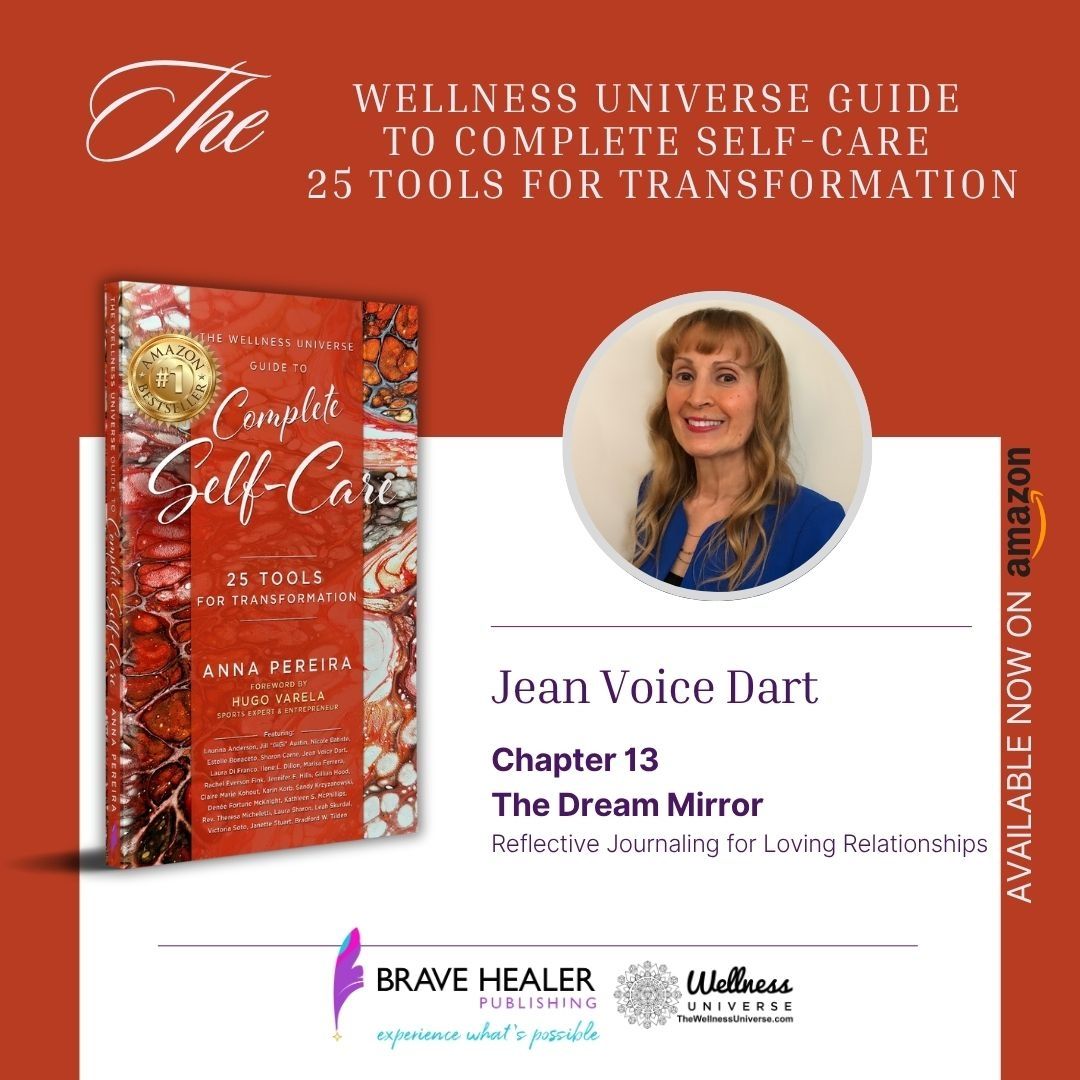
Ready for a gentle reset with real momentum? The Wellness Universe Guide to Complete Self-Care: 25 Tools for Transformation is a 5-star Amazon favorite, and readers say,
“This book should be your bedside table guidebook.”
Open to any page, choose a tool, and let one small shift become your next breakthrough.
NOW AVAILABLE
SoulTreat Living My Magical Life Magazine

Grab Your Free Copy Here

Jean Voice Dart is a Certified Expressive Arts and Grief and Trauma Coach (CCF), Credentialed Expressive and Performing Arts Teacher (MS), Registered Music Therapist (RMT), and Master Level Energetic Teacher. Those working with Jean identify, embrace, and release blocked feelings and emotions through the creative, expressive, and performing arts. She has over forty years of experience in private and group sessions, helping people triumph over physical, mental, or emotional challenges.
Post Views: 6
Publisher: Source link