
Ever notice that your mood, energy, and appetite seem to shift throughout the month? You’re not imagining it, and you’re definitely not alone. These changes are a normal part of the menstrual cycle, driven by natural hormonal fluctuations that influence how your body feels and functions day to day. (1) One week you might crave chocolate, another you might need extra rest. Both are your body’s way of asking for support.
Because no two cycles (or bodies) are exactly the same, researchers have started taking a closer look at how the different phases of the menstrual cycle, and the hormone changes that come with them, may impact nutrition and exercise needs. (3,7) While the research is still evolving, early findings offer some intriguing insights.
Read on to learn what cycle syncing is and how tuning into your cycle can help you better understand and support your body.
What Is Cycle Syncing?
Cycle syncing first gained attention in 2014, when a functional nutrition practitioner introduced the idea of aligning nutrition, movement, and workload with perceived energy changes across the menstrual cycle. (8) At its core, it’s got a great foundation: encouraging women to become more aware of their cycle and giving them permission to tune into how they feel.
However, as with many things that have good intentions at the start, social media has spread false hope and misinformation regarding this trend that can harm more than help.(2) That’s why we’re here to set the record straight. There may be benefits to cycle syncing, but they are not all applicable to every woman. It’s more about awareness and personalizing it to your cycle, not following a rigid set of rules.
Benefits of Syncing Your Diet and Exercise to Your Cycle
Research is pretty sparse when it comes to the clinical benefits of syncing your diet and exercise to your cycle. But, because the data isn’t there quite yet doesn’t mean that becoming more aware of your cycle, and how you feel, isn’t powerful. (3, 7) Keep this in mind as you consider cycle syncing for yourself.
Some health professionals suggest that tuning your nutrition and movement to your cycle may offer benefits such as: (1,3)
- Improved mood
- Reduced intensity of common period symptoms, like cramping and bloating
- Better use of higher-energy phases
- Greater clarity around when to prioritize rest versus pushing harder
- More intentional nutrition choices during periods of increased cravings
Understanding the Phases of Your Cycle
The menstrual cycle is complex, but that doesn’t mean it has to be confusing. Head of Nutrition at MyFitnessPal Melissa Jaeger RD, LD shares, “Understanding what’s happening in your body can make those shifts in energy, cravings, and appetite feel far more manageable. (1)” To simplify things, we’ll break the cycle down into two phases: the follicular phase and the luteal phase.
By understanding the hormonal changes that occur in each phase, you’ll gain clearer insight into why your energy for workouts and your appetite can vary throughout the month.
Phase 1: The Follicular Phase
The day your period starts through ovulation, when an egg is released from the ovaries, is called the follicular phase.
| Stage | Approximate Day Range | What’s Happening | Hormonal Shifts | Energy Levels |
| Menstruation (aka, early follicular phase) | 1-7 | Bleeding starts | Estrogen and progesterone are low | Low |
| Follicular phase (aka, late follicular phase) | 8-13 | Endometrium lining in the uterus begins to thicken | Estrogen begins to rise, peaking when ovulation starts | Start to rise with increase in estrogen |
| Ovulation (aka, late follicular phase) | 14 (lasts about 16 to 32 hours) | An ovary releases an egg | Hormones surge, including estrogen, luteinizing hormone and follicle stimulating hormone | Energy levels peak |
What to Eat During the Follicular Phase
- During your period:
- Late-folliculate phase:
- Consider energy-dense foods to support increased energy (and possible increased workouts). (1) Whole grains and lean proteins can help supply glucose and support muscle repair.(9)
- Consider focusing on high-fiber foods, like cruciferous vegetables and whole grains, to help balance high estrogen levels. (1,4)
- Try reducing intakes of added sugars. (1,4)
Follicular Phase Workouts
- During your period:
- Late-folliculate phase:
Key Point To Remember
Research suggests that energy intake may dip during this phase, but it’s still important to eat enough nutrient-dense foods to support your activity levels.(5) Logging your meals in MyFitnessPal can help you spot trends and understand how well you’re meeting your daily nutrient needs.
Phase 2: The Luteal Phase
When ovulation ends, your luteal phase begins until your next period starts.(1,3)
| Stage | Approximate Day Range | What’s Happening | Hormonal Shifts | Energy Levels |
| Luteal phase | 15-28 | The uterus prepares to accept the egg, period symptoms, like cramps, fatigue, and cravings may rise towards the end of this phase | Progesterone is at its highest, estrogen fluctuates | Energy levels can fluctuate, and may be lower during the end of this phase |
What to Eat During the Luteal Phase
Increased cravings are normal during this period, with research showing some females tend to eat more calories during the luteal phase due to hunger.(5) Keep these nutrition points in mind as you plan your meals:
- Enlist the rule of 3: protein, fat and fiber. Making sure your meals and snacks check a box from each of these nutrients is key to keeping you satisfied and satiated with meals.
- Complex carbohydrates help support satiety and manage hunger cravings. (10) Lean into those with natural sugar sources, like sweet potatoes, bananas, and oats.
- Consider magnesium-rich foods to help balance fluid retention, like a handful of pumpkin seeds on your yogurt parfait.
Luteal Phase Workouts
Your energy levels may be a bit wonky, so tune into them and plan your workouts accordingly. Some days a moderate-intensity cardio day may feel good, while other strength training may be a priority.(6) Interesting enough, little difference was found amongst those who exercise between the follicular and luteal phases.(1,3)
Key Point To Remember
Balance and moderation is key. Focus on building the base of your meals with healthy, nutrient dense foods, allowing some flexibility for fun foods, like a piece of dark chocolate.
Bottom Line
Knowledge really is power and cycle syncing can be a helpful way to better understand your body throughout the month. Just remember, there’s no one-size-fits-all playbook. Every cycle is different, and your needs may shift from month to month.
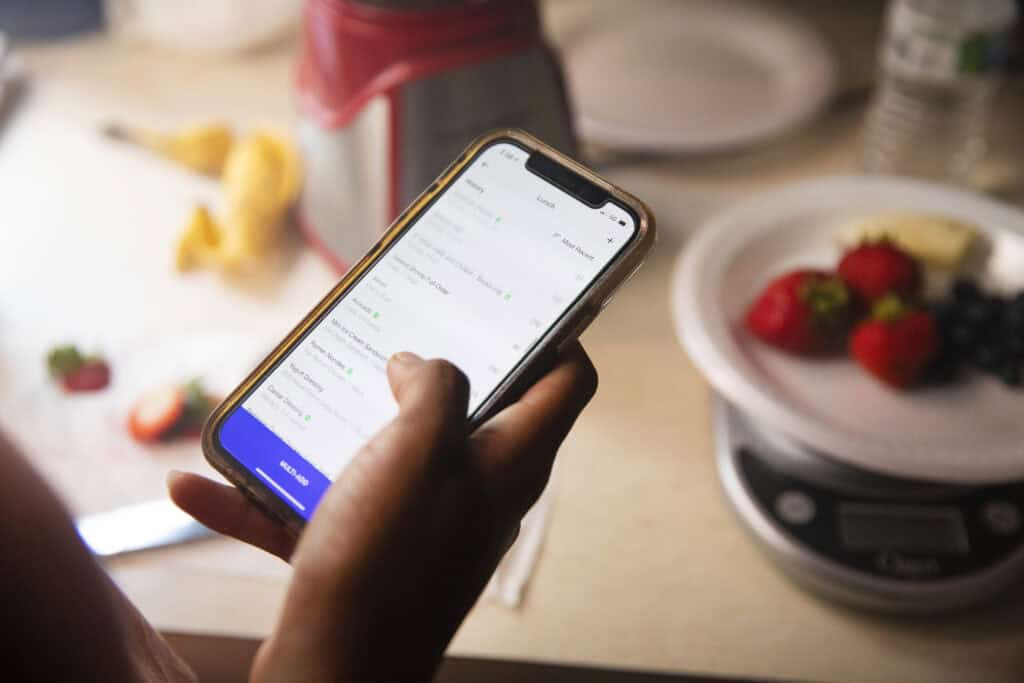
Even experimenting with cycle awareness for a short time can help you spot patterns in your energy, hunger, cravings, and workouts, insights you can use to support your long-term goals. Tracking your cycle with a calendar or app, paired with logging your food in MyFitnessPal, can help make those patterns easier to see. You can begin to spot trends in energy, hunger, cravings, and workouts so you can make smarter, more supportive choices that move you closer to your long-term goals.
Publisher: Source link